


-

Add: HeBei ShengShi HongBang Cellulose Technology CO.,LTD.
-

Email
13180486930@163.com -

CONTACT US
+86 13180486930
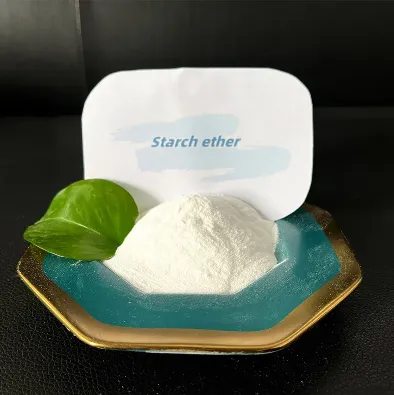
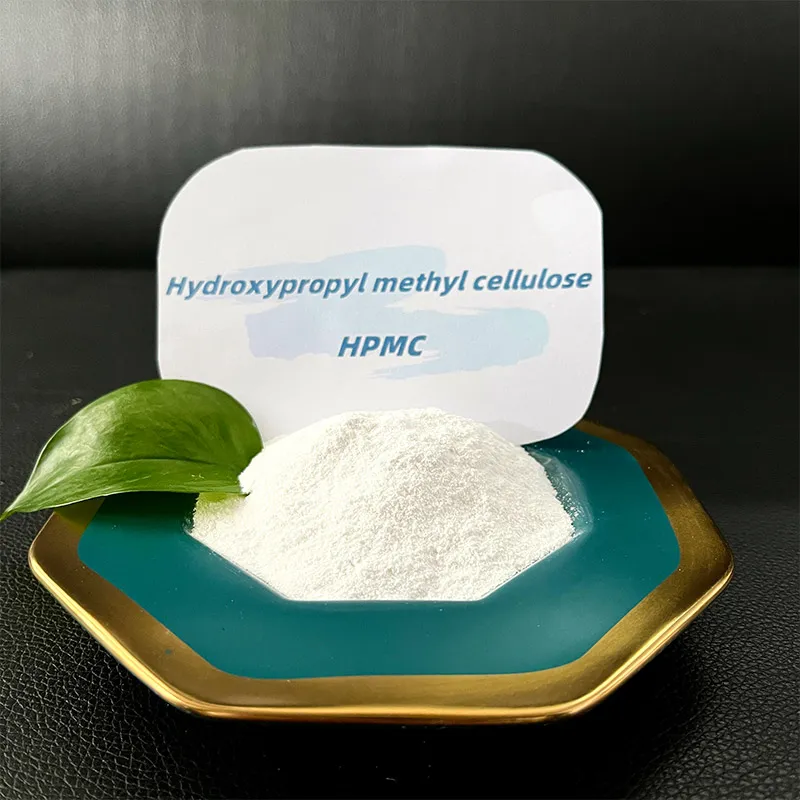
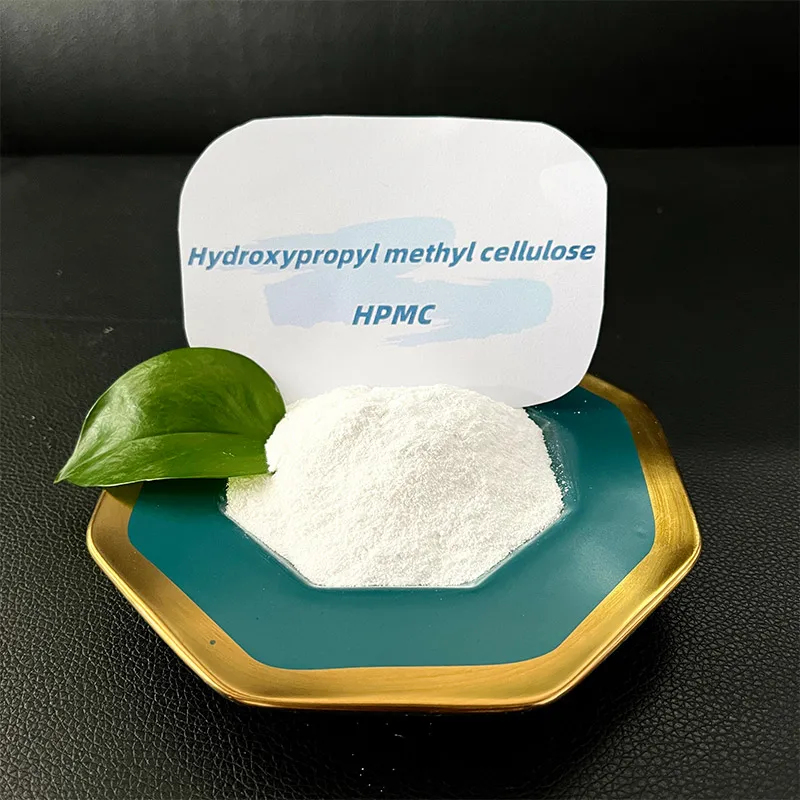
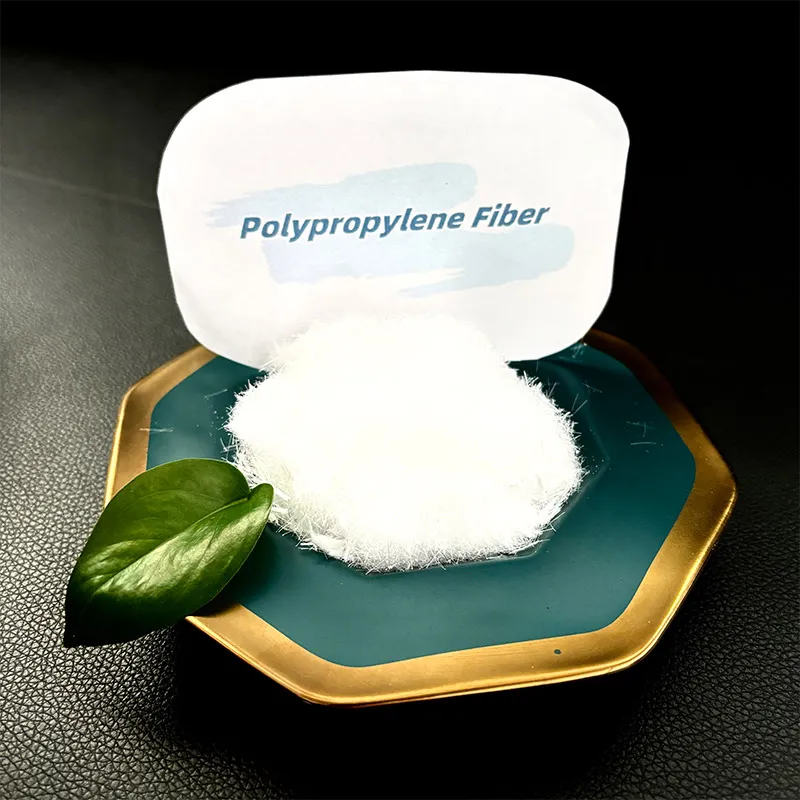
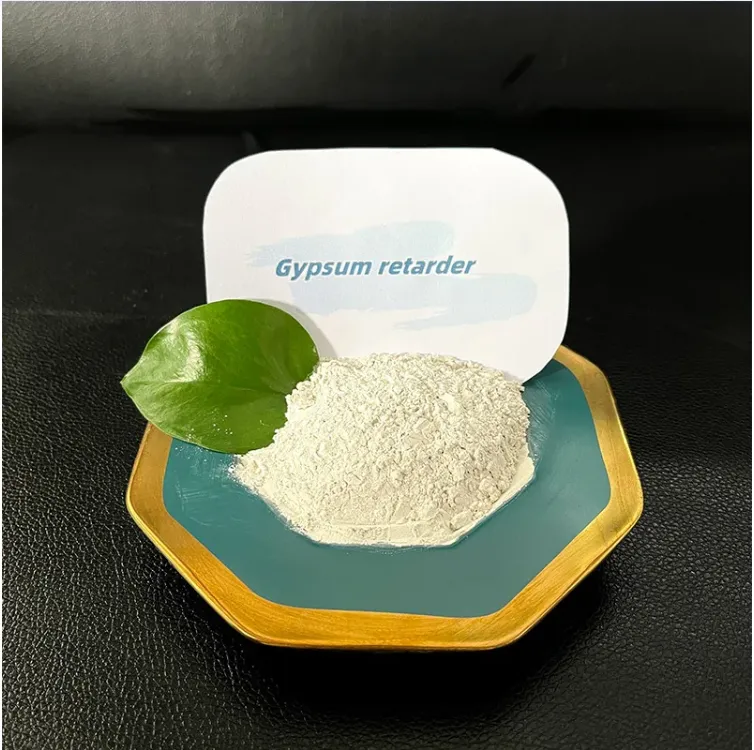
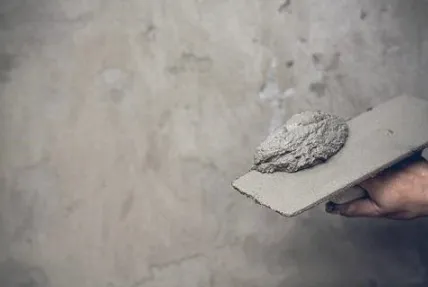


Introduction to Xylem Fiber Xylem fiber, a natural and renewable resource derived from wood, has gained significant attention in various industries due to its eco-friendly attributes and versatility. This organic flocculent fiber material undergoes a series of chemical treatments and mechanical processing, transforming it into a high-quality product suitable for an array of applications. As industries shift towards sustainable practices, the use of xylem fiber aligns seamlessly with the goals of environmental responsibility and resource efficiency. Learn more about xylem fiber . Key Features of Xylem Fiber Renewable Resource: Derived from wood, xylem fiber is a sustainable alternative to synthetic materials, reducing reliance on non-renewable resources. Enhanced Strength and Durability: When incorporated into concrete and mortar mixes, xylem fiber improves structural integrity and longevity. Biodegradable Properties: Its natural composition ensures that products made with xylem fiber decompose safely, minimizing environmental impact. Adaptability: Suitable for diverse applications, including construction, asphalt, and household products, showcasing its multifunctional nature. Technical Specifications Parameter Details Material Type Wood-derived organic fiber Processing Method Chemical treatment and mechanical processing Application Areas Concrete, mortar, gypsum products, asphalt, MDF, wood pulp sponges Environmental Impact Biodegradable, reduces carbon footprint Strength Enhancement Improves durability and resistance in construction materials Advantages of Xylem Fiber Xylem fiber offers a multitude of benefits that make it a preferred choice in modern manufacturing. One of its primary advantages is its ability to enhance the performance of construction materials. By integrating xylem fiber into concrete and mortar, engineers can achieve greater strength and durability, which is crucial for infrastructure projects. Additionally, its use in gypsum products improves structural integrity, making it a valuable component in the production of wallboards and other building materials. Another significant advantage is its biodegradability. Unlike synthetic fibers, xylem fiber decomposes naturally, reducing landfill waste and environmental pollution. This makes it an ideal choice for industries aiming to meet sustainability goals. Furthermore, the fiber's absorbent properties are particularly beneficial in the production of wood pulp sponges, offering a biodegradable alternative to traditional synthetic sponges. Explore xylem fiber applications . Application Scenarios Xylem fiber is utilized across various industries, each leveraging its unique properties to enhance product performance. In the construction sector, it plays a critical role in improving the quality of concrete and mortar mixes. The fiber's ability to distribute stress evenly within the material reduces cracking and increases resistance to environmental factors. This makes it an essential component for high-performance construction projects. In the asphalt industry, xylem fiber acts as a reinforcing agent, enhancing the resilience and longevity of road surfaces. By improving the cohesion of asphalt mixtures, it contributes to the development of more durable and cost-effective roadways. Additionally, in the manufacturing of medium density fiberboard (MDF), xylem fiber serves as a key ingredient, enabling the production of sturdy and sustainable building materials that are increasingly being adopted in the home-building sector. The fiber's versatility extends to the production of wood pulp sponges, where its absorbent properties make it an ideal material for cleaning and household applications. This biodegradable alternative aligns with the growing demand for eco-friendly products. Discover more about xylem fiber uses . Company Background HeBei ShengShi HongBang Cellulose Technology CO.,LTD. is a leading company in the production and supply of xylem fiber and related products. With a commitment to sustainability and innovation, the company has established itself as a reliable source for high-quality cellulose materials. Their expertise in processing wood into versatile fibers has made them a key player in the global market for eco-friendly materials. The company's focus on responsible forestry practices ensures that the cultivation and processing of xylem fiber contribute to ecosystem balance and support efforts against climate change. By prioritizing renewable resources, HeBei ShengShi HongBang not only meets the demands of modern industries but also promotes environmental stewardship. Learn more about HeBei ShengShi HongBang . Environmental Impact and Sustainability The integration of xylem fiber into manufacturing processes has a profound impact on environmental sustainability. By reducing the need for traditional raw materials, it lowers the carbon footprint associated with production. This shift towards natural resources is crucial in the context of climate change, as industries seek to minimize their environmental impact while maintaining product quality. Furthermore, the cultivation of wood for xylem fiber promotes responsible forestry practices, ensuring that forests are managed in a way that preserves biodiversity and supports local ecosystems. This approach not only benefits the environment but also contributes to the economic well-being of communities reliant on forestry. The emphasis on sustainability is a testament to the company's commitment to ethical practices and long-term environmental health. Future Prospects and Innovations The potential of xylem fiber is vast, with ongoing research and development aimed at expanding its applications. As industries continue to evolve, the demand for sustainable materials will likely increase, driving further innovation in the use of xylem fiber. This includes exploring new ways to enhance its properties and develop entirely new products that meet the changing needs of the market. Moreover, the collaboration between companies like HeBei ShengShi HongBang and research institutions can lead to breakthroughs in material science, paving the way for more efficient and environmentally friendly manufacturing processes. By investing in research, the industry can unlock new possibilities for xylem fiber, ensuring its relevance in a rapidly changing world. Stay updated on xylem fiber innovations . Conclusion Xylem fiber represents a significant step forward in the integration of natural resources into modern manufacturing. Its versatility, eco-friendly attributes, and ability to enhance product performance make it an invaluable asset across various industries. As the demand for sustainable solutions continues to grow, the role of xylem fiber will become increasingly important in shaping the future of construction, materials science, and environmental stewardship. By choosing xylem fiber, manufacturers can contribute to a more sustainable future while meeting the needs of consumers. The continued exploration and utilization of this natural resource will be paramount in driving innovation and ensuring the responsible management of our planet's resources. Explore xylem fiber solutions today .
- 40000tons

Production
- 20+years

Experience
- 5000+㎡

Acreage

-
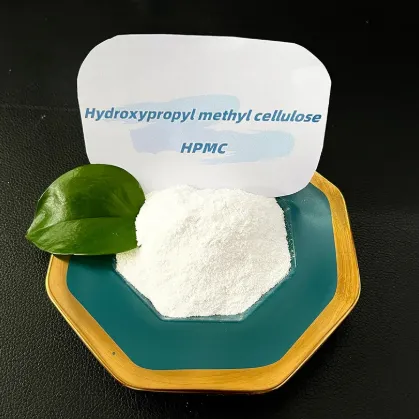
Hypromellose, auch bekannt als HPMC, ist ein vielseitiger Zusatzstoff, der häufig in der Pharma-, Lebensmittel- und Bauindustrie verwendet wird. Insbesondere HPMC mit einer Viskosität von 6 cps (Centipoise) hat spezifische Eigenschaften , die seine Verwendung in verschiedenen Produkten begünstigen. In der pharmazeutischen Industrie wird HPMC 6 cps oft als Vernetzungsmittel in Tabletten und Kapseln eingesetzt. Die spezielle Viskosität sorgt dafür, dass die Tabletten eine stabile Form beibehalten und die Freisetzung des Wirkstoffs kontrolliert erfolgt. Dies ist besonders wichtig, um eine konstante Bioverfügbarkeit der Medikamente zu gewährleisten, was letztendlich die therapeutische Wirksamkeit steigert. Als Expertin auf diesem Gebiet kann ich bestätigen, dass die sichere Anwendung von HPMC in Medikamenten sicherstellt, dass kein unerwünschter Einfluss auf den menschlichen Körper besteht, was auf umfangreiche Testverfahren zurückzuführen ist, die die Verträglichkeit und Unbedenklichkeit bestätigen. Im Lebensmittelsektor fungiert HPMC 6 cps als exzellenter Verdicker und Emulgator. Ideal für die Herstellung von fettarmen Saucen, Dressings und Desserts, trägt es zur Verbesserung der Textur und Stabilität bei, ohne den Geschmack zu beeinträchtigen. Basierend auf meiner Erfahrung in der Lebensmitteltechnologie kann HPMC verwendet werden, um die strukturelle Integrität von Lebensmitteln in verarbeiteten Produkten aufrechtzuerhalten. Es erhöht die Konsistenz von Produkten, was gleichzeitig die Verbrauchererfahrung fördert. Zudem ist es frei von tierischen Produkten und eignet sich somit hervorragend für vegetarische und vegane Lebensmittel. HPMC 6 cps Darüber hinaus ist HPMC 6 cps ein wertvoller Bestandteil in der Bauindustrie. Hier wird es als Bindemittel in Fliesenklebern und Mörteln verwendet. Die spezielle Viskosität von 6 cps sorgt dafür, dass die Mischung ausreichend fließfähig und dennoch stabil genug ist, um eine lange Bearbeitungszeit zu gewährleisten. Dies erleichtert den Bauarbeitern die Anwendung und verbessert die Haftung an verschiedenen Oberflächen. Durch die Anwendung von HPMC wird auch die Rissbildung in Trocknungsphasen reduziert, ein Bedürfnis, das jeder erfahrene Baufachmann bestätigen kann. Ein weiterer bedeutender Nutzen von HPMC 6 cps liegt in seiner Beständigkeit gegenüber verschiedenen pH-Bereichen und Temperaturen, was seine Verwendbarkeit in verschiedenen klimatischen Bedingungen unterstreicht. Diese Eigenschaft hebt seine Verlässlichkeit hervor und schafft Vertrauen in seine multiplen Anwendungen. Zusammenfassend lässt sich sagen, dass HPMC 6 cps aufgrund seiner Vielseitigkeit in verschiedenen Industriezweigen an Popularität gewonnen hat. Seine Fähigkeit, als Bindemittel, Verdicker und stabilisierender Stoff in unterschiedlichen Prozessen zu fungieren, macht ihn zu einer unverzichtbaren Ressource. Die Qualität und Reinheit von HPMC, die durch strenge Standards gesichert werden, verstärken sein Ansehen unter Experten und stellen seine Beständigkeit als zuverlässiger industrieller Zusatzstoff sicher. Die fortwährende Forschung in Bezug auf HPMC 6 cps könnte seine Anwendungen in zukunftsweisenden Technologien erweitern, was es zu einem spannenden Thema für Innovationsforscher macht. Vertrauen Sie auf die Expertise und Erfahrung mit HPMC, einem äußerst anpassungsfähigen und sicheren Inhaltsstoff, der in den nächsten Jahren wohl noch an Bedeutung gewinnen wird.
-

The Rise of Manufactured Synthetic Fibers Transforming the Textile Industry In today’s modern world, the textile industry has witnessed a remarkable transformation brought about by the advent of manufactured synthetic fibers . Synthetic fibers, which are man-made through chemical processes, have revolutionized the way we think about clothing, textiles, and consumer goods. These fibers, which include polyester, nylon, and acrylic, have become ubiquitous, influencing fashion, design, and even sustainability practices. Manufactured synthetic fibers emerged in the early 20th century, with the invention of rayon in 1910 marking the beginning of a new era in textiles. Following this, the development of nylon by Wallace Carothers in 1935 represented a pivotal moment; it was the first completely synthetic fiber and played a significant role in affecting various industries, most notably in clothing and military applications during World War II. The post-war boom further popularized synthetic fibers, leading to their widespread acceptance and extensive use. One of the most compelling advantages of synthetic fibers is their durability. Unlike natural fibers, synthetic options tend to be more resistant to wear and tear, moisture, and environmental factors. This durability translates into longer-lasting products, which can be particularly beneficial in applications ranging from outdoor gear to industrial use. For instance, the application of polyester in the production of athletic wear has led to the creation of garments that can withstand rigorous activity while providing comfort and breathability. Moreover, synthetic fibers can be engineered to meet specific requirements. For instance, manufacturers can adjust properties like elasticity, moisture-wicking ability, and thermal insulation to cater to consumer needs. This customization makes synthetic fibers an appealing choice for many brands eager to offer innovative textiles. In the fashion industry, this versatility allows for the creation of striking designs with vibrant colors that remain intact through multiple washes, unlike some natural fibers that may fade over time. manufactured synthetic fibers However, the rise of manufactured synthetic fibers has not come without drawbacks, particularly concerning environmental impacts. The production of synthetic fibers is often energy-intensive and can contribute to pollution if not managed properly. Additionally, synthetic fibers are derived from petrochemicals, raising concerns about sustainability and dependence on fossil fuels. The pressing problem of microfibers shedding from synthetic garments during washing has also gained attention, as these tiny particles enter water systems and pose a threat to marine life and ecosystems. In response to these challenges, the industry is actively exploring solutions aimed at reducing the environmental footprint of synthetic fibers. Innovations in recycling technologies have made it possible to reclaim and reuse polyester from discarded garments. Companies like Patagonia and Adidas are leading the way by launching initiatives to incorporate recycled synthetic fibers into their products. By transitioning to a circular economy model, the fashion industry can reduce waste and lessen the reliance on virgin materials. Furthermore, advancements in bio-based synthetic fibers are gaining traction as an alternative to traditional petrochemical-based options. Brands are increasingly investing in research to develop fibers synthesized from renewable resources, such as algae or agricultural by-products. These bio-based synthetics promise to provide the benefits of traditional fibers while significantly reducing the environmental impact. Consumer awareness is an essential driver of change in this sector. As sustainability becomes a key factor in purchasing decisions, consumers are more equipped than ever to demand transparency from brands regarding their fiber sources and manufacturing processes. This shift is prompting many businesses to re-evaluate their practices, thus fostering a more sustainable textile industry. In conclusion, manufactured synthetic fibers have undeniably altered the landscape of textiles, offering unprecedented benefits in terms of durability, versatility, and innovation. However, this evolution comes paired with environmental challenges that require urgent attention. By increasing awareness and embracing sustainable practices, the textile industry can work towards a future where synthetic fibers continue to play a vital role while minimizing their ecological footprint. The dialogue surrounding this balance of innovation and sustainability is crucial as we move forward, striving for a responsible and forward-thinking approach to textiles that benefits both consumers and the planet.
advantages
-

200000 Viscosities
Excellent product
We can produce pure products up to 200,000 viscosities
-

40000 tons
High yield
We don’t stop production all year round, and the annual output can reach 40,000 tons
-

24 hours
Quality service
We provide 24-hours online reception service, welcome to consult at any time
———— Inquiry Form
Schedule A services

-
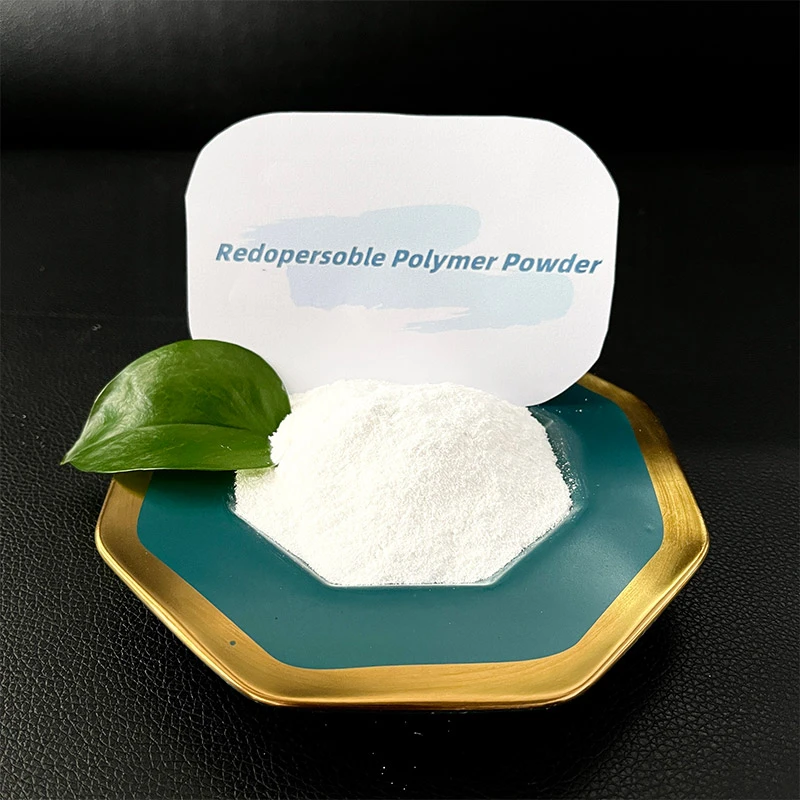
 sample_available_rubber_powder
Oct . 25, 2025
Die Verwendung von HPMC CMC in der modernen Industrie hat sich als bahnbrechend erwiesen. HPMC (Hydr -
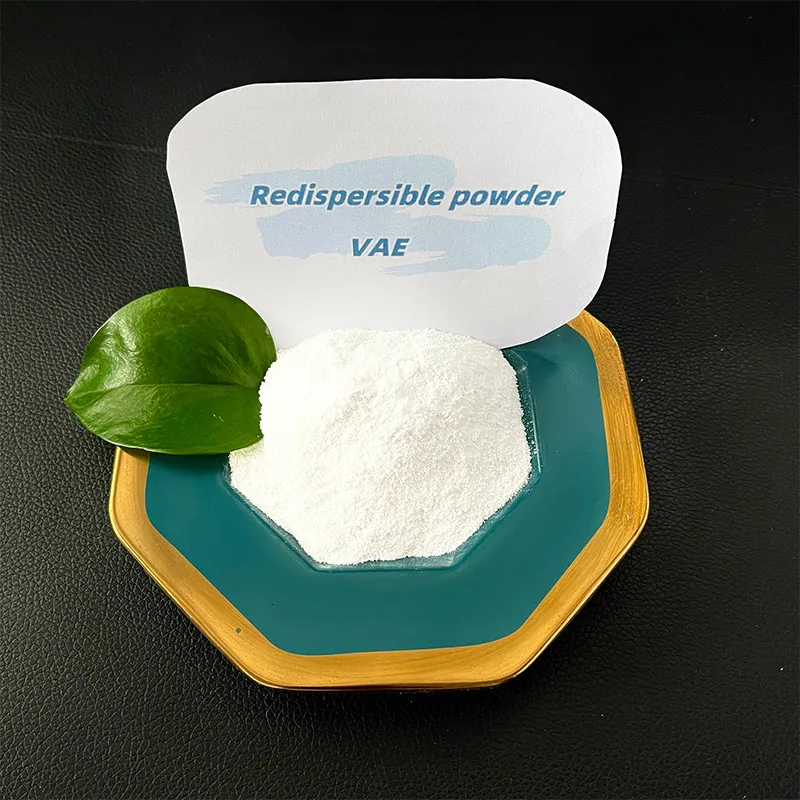 hydroxypropyl_methylcellulose_is_it_safe
Oct . 25, 2025
Hydroxypropyl Methylcellulose (HPMC) has emerged as a crucial ingredient in various industries, with -
 polypropylene_fiber_reinforcement
Oct . 25, 2025
Natural rubber powder, an innovative material derived from natural rubber, is rapidly gaining attent


